Three Gallons, Five Minutes: A Weekend Drain Check for Hudson Homes

Start With a Baseline, Not a Plunger
Most drain emergencies give plenty of warning. The trouble is that the warning is easy to ignore when it arrives as a slightly slower sink, a faint gurgle, or a tub that takes a few extra seconds to empty. The three-gallon test is a low-drama way to turn those vague clues into something you can actually track.
You do not need special tools. A bucket, a timer, and five minutes are enough. The idea is simple: pour about three gallons of water into a fixture at a steady pace and watch what happens. You are checking three things—how fast the water leaves, whether the drain gurgles or burps, and whether water shows up somewhere it should not.
How to Run the Test Without Making a Mess
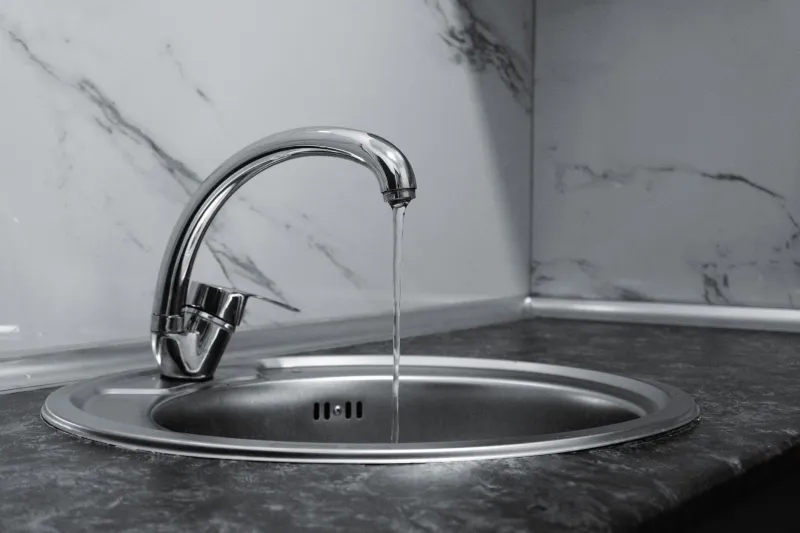
Pick one fixture at a time. The kitchen sink, a bathroom sink, a tub, and a laundry standpipe are the four most useful spots in a typical Hudson home. Fill a bucket with roughly three gallons of water. If you are testing a sink, pour slowly enough that the basin does not overflow, but fast enough to give the drain a real workout. Start your phone timer when the water hits the drain and stop it when the basin is empty.
During the pour, listen. A healthy drain is usually quiet. A gurgling drain is telling you air is having trouble getting into the pipe, which often points to a partial clog. Also glance at nearby fixtures. If you pour water into the bathroom sink and the tub drain starts making noise or backing up, the problem may be in a shared line rather than the sink itself.
What a Normal Result Looks Like
A healthy sink should empty without water rising toward the rim. You may see a small swirl at the end, and a bathroom sink may drain a little slower than a tub, but the water should keep moving. A tub should clear three gallons without leaving a puddle around the drain. A laundry standpipe should swallow the water without spitting it back out.
Do not expect every fixture to match a stopwatch record. Older plumbing, long runs, and the shape of a trap can all affect speed. What matters is the comparison. The same sink that cleared three gallons in 45 seconds last month should not suddenly need a minute and a half. That change is the signal.
Warning Signs Worth Writing Down
A gurgle is one of the most useful clues. It often means the drain is pulling air through the trap because water is meeting resistance downstream. Water rising in the basin before it drains is another clear sign. So is water backing up in a second fixture, a sewage smell that lingers after the test, or a drain that clears only after you wait and try again.
In the Hudson area, older homes and mature trees make some of these clues worth taking seriously. Roots, scale, and settled pipe can narrow a line without causing a full blockage. A three-gallon test will not tell you exactly where the problem is, but it can tell you that something has changed.
Keep a Drain Log You Will Actually Use
A drain log does not need to be fancy. A note on your phone works fine. Write the date, the fixture, the approximate amount of water, how long it took to drain, and anything you noticed—gurgling, a slow start, a smell, or water in another fixture. Repeat the test once a month and after big gatherings.
If the drain time climbs by 20 or 30 seconds, or if a new gurgle shows up, act before the line backs up. That might mean removing hair or debris from a strainer, cleaning a pop-up stopper, or scheduling a professional visit. It does not mean pouring in a harsh chemical cleaner and hoping for the best.
When to Stop Testing and Call
If water will not drain at all, if several fixtures are slow, or if you see sewage backing up, stop pouring. More water will not help. The same goes for a drain that repeatedly slows down after you clean the visible debris. That pattern usually points to a restriction deeper in the line.
A weekend test is not a substitute for a plumber or drain specialist, but it is a useful early-warning system. For Hudson homeowners, five minutes with a bucket and a timer can turn a surprise emergency into a scheduled appointment—and that is a much better way to spend a weekend.