Below Grade, Above Panic: Keeping Finished-Basement Drains Quiet in Hudson Homes
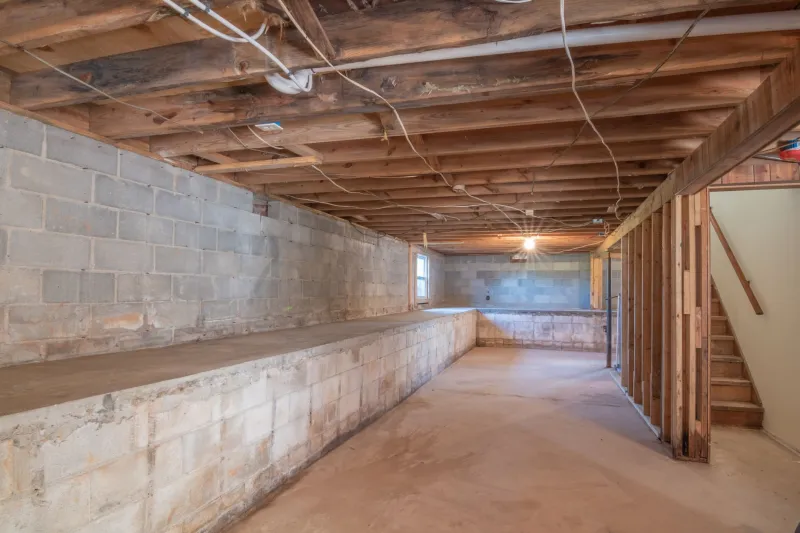
There's a moment every Hudson homeowner hits at some point in November: you're hauling holiday boxes up from the basement, you flip on the light, and you notice the carpet near the utility corner feels a little... spongy. Not soaked. Just wrong. And that's usually the first time in months you've thought about what's underneath that floor.
Finished basements are great at hiding things. Drywall covers the foundation, drop ceilings cover the pipes, and carpet covers the slab. What gets buried in the process is an entire secondary plumbing system — one that runs on different rules than the bathrooms and kitchen upstairs. It rarely announces itself until it's already a problem.
Your Basement Has Its Own Plumbing Universe
Upstairs, everything drains by gravity and disappears into the same stack. Down below, you're dealing with three or four separate systems that were probably installed at different times, by different people, for different reasons:
- A basement bathroom that almost certainly drains into a sewage ejector pump, not the main sewer line. A pump basin sits in the floor, collects waste, and kicks on to lift it up to the house's main drain.
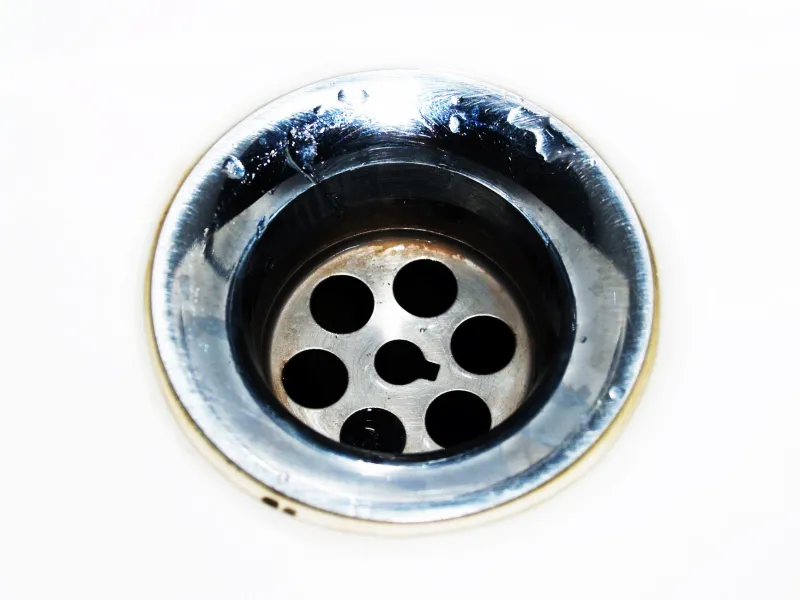
- A floor drain, often tucked in a mechanical room or under a water heater, that relies on a trap full of water to keep sewer gas out of the house.
- A sump pump and pit, which handles groundwater — a completely different job from the ejector pump, but frequently confused with it.
- Utility connections for the washer, a laundry sink, a water softener, or a furnace condensate line, any of which can share or cross paths with the others.
When any one of these misbehaves, the symptom usually shows up as water on the floor or a smell in the air. The trick is figuring out which system is actually talking to you.
Why Basement Bathrooms Fail on a Different Schedule
A toilet on the main floor has decades of gravity doing the heavy lifting. A basement toilet has a pump, a check valve, and maybe a float switch standing between it and the sewer. That's more parts, and more parts means more ways for things to go sideways.
Sewage ejector pumps don't fail dramatically. They usually get slower, run a little longer, and start making a sound that's slightly off — a thunk instead of a clean hum. Then one day a guest uses the downstairs bathroom during a holiday gathering, and the pump doesn't kick on at all.
Things worth knowing:
- The check valve matters. It keeps what just got pumped up from sliding back down into the basin. When it sticks, you get gurgling, slow drains, or a basin that refills itself.
- Never treat it like a garbage disposal. Wipes, paper towels, and anything fibrous have no business in a basement bathroom, pump or not.
- Listen to it once a month. Run the sink for a minute. You should hear the pump cycle on and shut off cleanly. If it short-cycles or stays silent, that's worth a call before it's an emergency.
Floor Drains Are the Quietest Failures
A floor drain doesn't back up so much as it stops protecting you. The trap underneath holds a small plug of water that blocks sewer gas. In a busy basement, that water gets replaced regularly. In a basement where nobody's doing laundry or running a dehumidifier drain, it evaporates — sometimes within a few weeks in a dry winter with the furnace running.
What happens next is subtle: a faint musty or sulfur smell near the mechanical room. Homeowners often blame the water heater, the furnace, or mold, when the answer is a dry trap two feet away.
A cup of water poured down the floor drain every couple of weeks is the simplest fix in the house. If the smell comes back fast, or if water backs up instead of draining, the line itself may be partially blocked with years of lint, sediment, and soap scum — a common finding in older Hudson homes where the basement floor drain ties into aging clay or cast-iron piping.
Don't Confuse the Sump With the Sewer
These two systems sit within a few feet of each other in plenty of basements, and homeowners regularly mix them up. The sump pump deals with groundwater seeping in from outside. The ejector pump deals with wastewater leaving the house. They don't share a discharge line, and they definitely shouldn't share a pit.
A few things to check before the ground freezes:
- The discharge line running outside should slope away from the foundation and stay clear. If it's buried and holds water, a cold snap can freeze it solid and back the pump up.
- Test the pump by pouring a couple of gallons into the pit. It should turn on, move the water, and shut off.
- Check the backup power. Battery backups have a lifespan of roughly three to five years, and a dead one is invisible until the night you need it.
A Five-Minute Walkthrough for the Finished Side
You don't need tools for most of this. Just walk the lower level with the lights on and pay attention:
- Look for water staining or efflorescence at the base of the walls.
- Pour a glass of water into every floor drain you can find. If one gurgles or drains slowly, note it.
- Run the basement sink and listen for the ejector pump.
- Check for a backwater valve on the main line and confirm it's accessible — not buried behind finished drywall.
- Sniff near the utility room on a still day. Sewer odor means a trap issue, not a ghost.
If any of those raise a flag, getting it looked at in November is a whole lot cheaper than dealing with it during a January thaw or a holiday visit from the in-laws.
When It's Time to Call in a Pro
Some basement drain issues are DIY-friendly. Others are the kind that look small and turn into a ripped-out carpet and a dehumidifier running for a week. Call Hudson Drain Cleaning if you're seeing repeated backups at a floor drain, a pump that won't cycle, water rising in the sump during dry weather, or a smell that keeps coming back after you've refilled the traps.
Your finished basement is one of the best square footage investments in the house. A little attention to the plumbing underneath keeps it that way — quiet, dry, and out of sight where it belongs.