The Laundry Room Line You Never See—Until It Backs Up in Hudson
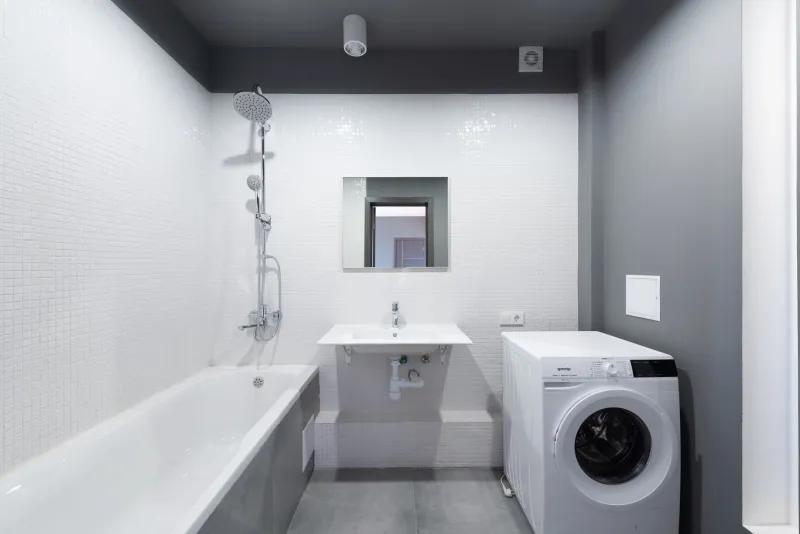
Your washing machine is a hard worker. It handles muddy soccer jerseys, beach towels, and the mysterious stack of clothes that appears in every Hudson laundry room. Then one day it drains and the standpipe gurgles, the laundry sink fills up, or a puddle spreads across the floor. That is the moment most homeowners meet the drain line behind the washer.
This is not a holiday-only problem, but it gets worse when the holidays arrive. Guest towels, table linens, extra bedding, and three loads in a row can push a tired laundry drain past its limit. A little maintenance between big laundry days goes a long way.
Where That Water Actually Goes
Your washer does not drain into the same pipe as the kitchen sink. It usually empties into a standpipe or a laundry sink, then travels through a trap and a branch line before joining the main drain. That short run behind the wall is the quiet part of the system. It is also where lint, detergent residue, fabric softener, and soap scum like to gather.
Modern high-efficiency machines can make this trickier. They often release a large volume of water quickly, and older standpipes or undersized lines may struggle to keep up. Add a few years of buildup, and a line that once moved water fine starts to burp, gurgle, or back up.
Warning Signs Worth Taking Seriously
Laundry drains rarely fail without warning. They usually send a few signals first:
- The standpipe gurgles or burps after the washer drains.
- The laundry sink drains slowly or fills with sudsy water.
- Water bubbles up around the floor drain.
- A musty or sour smell lingers in the laundry room.
- The washer finishes a cycle and leaves a damp patch near the base.
- You have already snaked the line once and the problem came back.
A single gurgle is not always an emergency. A pattern of gurgling, slow draining, and repeated backups is a different story. That is the point to stop treating it like a quirk and start treating it like a clog forming in the line.
The Monthly Habits That Keep It Clear
You do not need a chemistry set or a cabinet full of drain products. A few simple habits do more than most people expect:
- Clean the washer filter and lint screen. Lint belongs in the trap, not in the drain line.
- Use the right amount of detergent. More suds do not mean cleaner clothes. They mean more residue in the pipe.
- Go easy on fabric softener. It can leave a sticky film that catches lint and soap scum.
- Run full loads when possible. Frequent small loads send more water and detergent through the line without much benefit.
- Check the drain hose. Look for kinks, cracks, or a hose pushed too far into the standpipe. It should have an air gap and a secure fit.
- Flush with hot water occasionally. A brief hot-water rinse through the laundry sink can help move along soft residue. It is not a cure-all, but it is a sensible habit.
- Skip the harsh chemical routine. Repeated bleach or caustic drain pours can damage older pipes and do not remove hard buildup.
Holiday Laundry Loads and the Straw That Breaks the Line
Holiday hosting has a way of turning a normal laundry room into a commercial operation. Tablecloths, napkins, guest sheets, towels, and everyday clothes all seem to need washing at once. If your laundry drain is already partly clogged, that extra volume is the push it needs to fail.
Spread the loads out when you can. Wash a load, give the drain a little recovery time, then run the next one. Keep an eye on the standpipe and the floor drain during heavy laundry days. If you see suds rising or water pooling, stop and let the line rest instead of running another cycle.
When to Call a Pro
Some laundry drain clogs are simple. Others are hiding a bigger issue: a sagging line, a broken pipe, a blocked vent, or years of hardened detergent sludge. Call a professional if the backup keeps returning, if water comes up in more than one fixture, if the laundry sink drains slowly even after a snake, or if you see water on the floor.
A drain technician can snake the line, but the better visit often includes a camera inspection. That is how you find out whether you are dealing with lint and soap scum or something structural. It is also a smart move before the holiday rush if your laundry drain has been gurgling since last winter.
A Quick Pre-Holiday Laundry Room Check
Before the guest room fills up and the extra towels come out, take ten minutes in the laundry room. Pull the washer out if you can, check the hose, clean the filter, look for slow draining at the sink, and listen for gurgling when the machine empties. If something seems off, schedule service before the house fills up. A quiet laundry room is a small thing—until it is not.
Hudson Drain Cleaning can inspect a stubborn laundry line, clear the clog, and help you figure out whether your standpipe needs more attention than a quick snake. Better to book it on a calm Tuesday than during a holiday hosting marathon.