Fur, Soap, and Slow Drains: A Pet-Household Drain Routine for Hudson Homes
Why Pet Hair Is a Different Kind of Clog
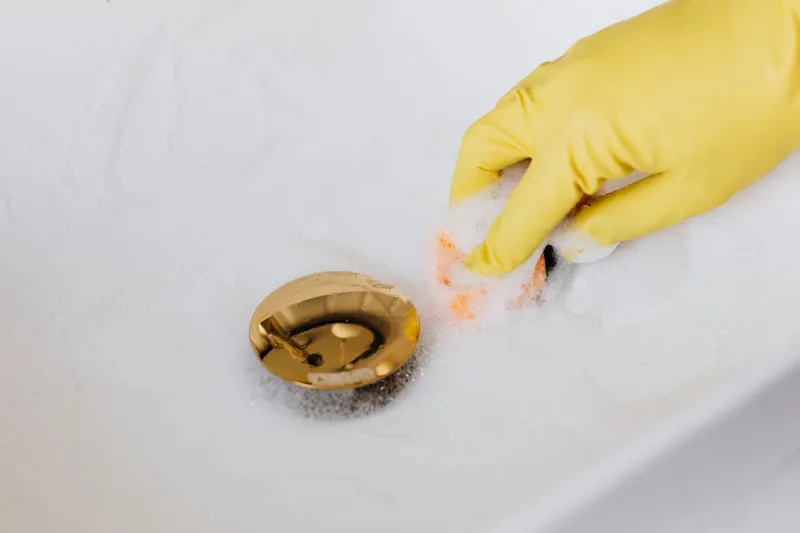
Human hair is a problem, but pet fur plays by different rules. It is often finer, denser, and more likely to mat together when it gets wet. Add soap scum, conditioner, lint, and the occasional bit of food grease, and you have a recipe for a clog that builds quietly instead of washing away.
Pet hair also has a sneaky advantage: it slips past strainers that look perfectly adequate. A standard shower strainer may catch long human hair while letting short fur pass through. Once that fur is inside the drain, it catches on rough pipe walls and starts collecting everything else. In a busy Hudson household with one dog or two cats, that process can happen faster than most people expect.
Bathroom Drains: The Tub and Shower Are Ground Zero
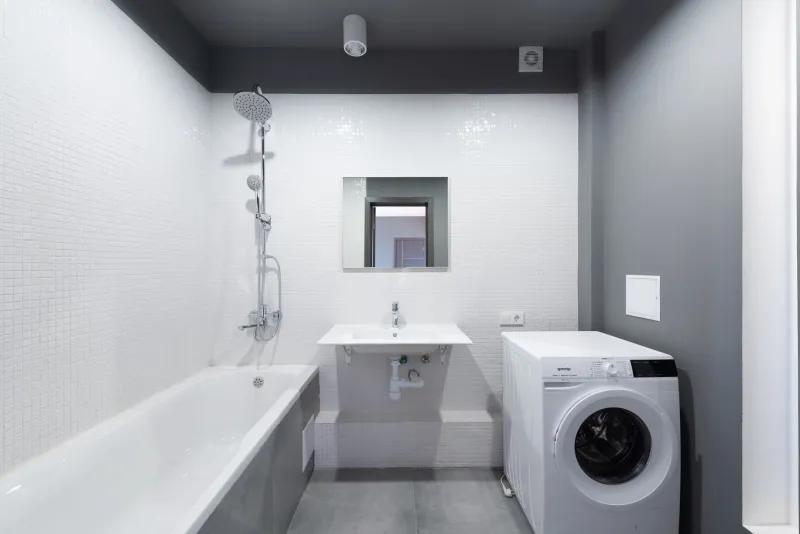
The bathroom is usually where pet hair does the most damage. Dogs get bathed in the tub, cats shed on towels, and muddy paws get rinsed in the shower. Fur that goes down the drain can wrap around the pop-up stopper or form a felt-like mat in the trap.
A workable routine starts with a fine mesh strainer in the tub and shower. Empty it after every pet bath and at least once a week during heavy shedding season. If your tub has a pop-up stopper, pull it out periodically and clean the hair that collects underneath. A cheap hair tool with a barbed end can grab surface fur without harsh chemicals.
When bathing a pet, rinse the tub afterward and send the visible fur toward the strainer rather than the drain. If your dog is a heavy shedder, consider a rubber curry brush before bath time. Removing loose fur before it hits the water is far easier than removing it from a drain.
Utility Sinks and Laundry: The Hidden Pet-Hair Highway
Utility sinks and laundry areas are often overlooked because they do not look like pet spaces. Then you wash a dog bed, a stack of muddy towels, or a food bowl, and suddenly the drain is handling more fur and lint than the bathroom ever does.
Shake pet bedding outside before washing it. Use a lint roller or rubber glove on the worst spots. Wash pet towels separately from human laundry when possible, and clean the washing machine filter according to the manufacturer's instructions. If your utility sink has a strainer, empty it before it fills to the rim. If it does not have one, add a basket strainer that catches both food bits and fur.
Laundry standpipes deserve special attention. They can swallow a lot of water quickly, which makes a partial clog easy to miss until the pipe burps or overflows. Watch for gurgling after the washer drains. That sound often means the standpipe or the line downstream is starting to struggle.
Kitchen and Pet Bowls: Not a Dumping Ground
Pet bowls should not be rinsed into the kitchen sink without thought. Dry food, wet food residue, and fur can combine with cooking grease to create a sticky mess in the trap. Wipe bowls with a paper towel before washing them, and use a sink strainer that fits well.
Keep the same rule for pet hair that you would use for cooking fat: keep as much of it out of the drain as possible. A quick wipe takes seconds. A clogged kitchen line can take an afternoon.
The Weekly Five-Minute Sweep
A pet-household drain routine does not need to be complicated. Once a week, walk through the bathrooms and utility area with a few minutes to spare. Empty strainers. Pull visible fur from pop-up stoppers. Check the laundry standpipe for slow drainage. Run water in each fixture and listen for gurgling.
Once a month, test how quickly a sink or tub drains. If you notice a fixture getting slower, write it down. A pattern matters more than a single slow day. A drain that slows every time you bathe the dog is telling you something. A drain that stays slow after you clean the strainer is telling you something louder.
When Recurring Slowdowns Mean More Than Fur
If a drain slows down repeatedly even after you remove surface hair, the problem may be deeper than ordinary fur buildup. A professional can snake the line, inspect the trap, and check whether roots, scale, or a failing pipe section are involved. That is especially worth considering in older Hudson homes where the plumbing may have had decades of use.
Call for help if multiple fixtures are slow, if water backs up in another part of the house, if you smell sewage, or if a drain keeps returning to a slow state after cleaning. Do not keep pouring chemical cleaner into a line that is already struggling. Repeated use can be rough on pipes and rarely solves a fur-and-soap clog at the source.
Pets are part of the household, and their fur is part of the deal. With a room-by-room routine, Hudson pet owners can keep most of that fur out of the drain—and catch the slowdowns that are trying to become something bigger.