Your Furnace Makes Water: Tracing the Condensate Line Before a Hudson Cold Snap

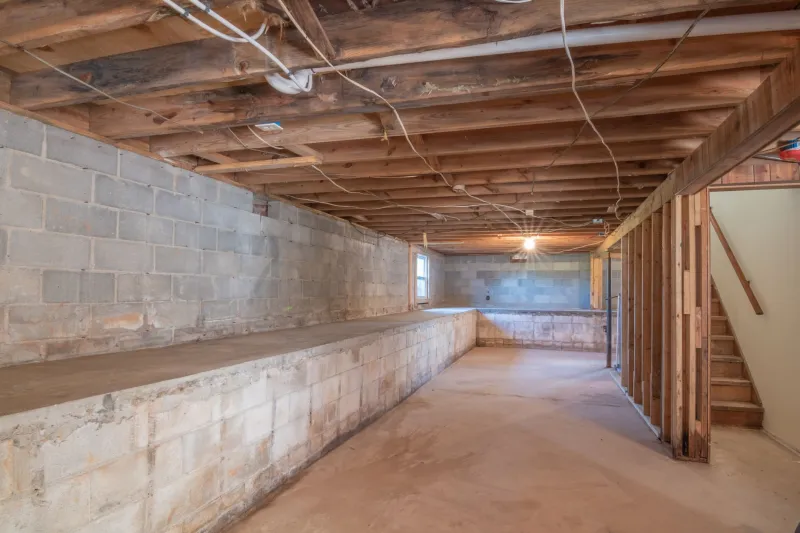
Photo: Generic1139, CC BY-SA 3.0, via Wikimedia Commons
Your furnace has been running since October, and it has been doing two jobs: making heat and making water. If you have a high-efficiency condensing furnace, the kind with PVC vent pipes instead of a metal chimney, that second job is by design. The unit pulls extra heat out of the exhaust, and the byproduct is condensate: a mildly acidic trickle that has to go somewhere. Usually that somewhere is a small drain line headed for a floor drain, a condensate pump, or an exterior wall.
When that line is clear, nobody thinks about it. When it is not, Hudson homeowners get a familiar set of headaches: a furnace that locks out on a cold night, a puddle spreading across the basement floor, or a pump that runs and runs without ever shutting off. The good news is that a five-minute look now can head off most of that. The better news is that when the line is truly clogged, it is a drain problem, and that is our lane.
Why a Furnace Needs a Drain at All
A standard furnace sends most of its exhaust up a chimney. A condensing furnace squeezes so much heat out of the exhaust that water vapor turns back into liquid inside the unit. That liquid has to leave. In a typical Hudson-area home, the condensate line is a small PVC pipe or a flexible tube that runs from the furnace cabinet to a floor drain, a laundry tub, a sump, or a condensate pump that lifts the water to a higher drain.
The water is not dirty in the way a kitchen sink is, but it carries dust, minerals, and whatever settles out of the air and the flue. Over a season, that film can turn into a soft clog. In an unfinished basement, the line may also pick up drywall dust, lint, or insect activity. Add a trap, a pump, and a long horizontal run with a sag in it, and you have a drain that is quietly asking for maintenance.
The Four Places These Lines Tend to Fail
Most condensate problems show up in one of four spots.
The trap or the low spot. Water sits in the trap by design. Sediment settles there. If the line sags between the furnace and the drain, water stands in the sag and the clog starts early.
The condensate pump. If your furnace drains uphill, a small pump collects the water and kicks it out. The reservoir can sludge up, the float can stick, and the intake screen can clog. A pump that runs constantly or never runs are both warning signs.
The termination. If the line exits through an exterior wall, winter is the enemy. A drip that worked fine in November can ice shut in January. Snow packed against the pipe does the same thing.
The floor drain it empties into. This is the one homeowners miss. If the floor drain is slow, the condensate has nowhere to go, and the furnace becomes the messenger. A gurgling floor drain is worth investigating before the furnace quits.
A Simple Seasonal Check
You do not need tools for most of this. You need a flashlight and ten minutes.
-
Find the line. Follow the small PVC or flexible tube from the furnace cabinet. Do not open the cabinet itself. Just trace the line with your eyes and hands.
-
Look for sags and disconnects. A line that dips is a line that will eventually hold water and collect sediment. A line that has pulled loose at a joint is a leak waiting for the next cold snap.
-
Check the pump if you have one. If the lid comes off without tools, look at the reservoir. Brown sludge or a float that does not move freely means the pump needs attention. Do not force it.
-
Look at the outside end. If the line exits through a wall, make sure it is not buried in snow or capped with ice. Do not chip ice with a screwdriver. Use warm water or call for help.
-
Test the floor drain. Pour a couple of quarts of water into the floor drain that the condensate line uses. If it drains slowly or gurgles, the floor drain is part of the problem, not just the furnace line.
What Not to Do
Do not pour chemical drain cleaner into the condensate line. It can damage the pump, the plastic, and the furnace's internal parts, and it does not solve a solids clog. Do not run the furnace with the line disconnected, either. Condensate can back up into the cabinet. And do not ignore a furnace that has locked out. A pressure switch error is often the furnace's way of saying it cannot get rid of its water.
When It Is a Job for a Drain Pro
Call for help if you see standing water around the furnace, if the line is clogged beyond the first accessible section, if the pump does not kick on, if the exterior line is frozen solid, or if the floor drain is slow. We can clear condensate lines and the drains they empty into. An HVAC technician handles the furnace itself. If your furnace is throwing a code, shut it off at the switch and call for service. A wet basement is a lot more expensive than a drain visit.
A Hudson Winter Note
Cold snaps around Hudson have a way of finding the weak point. A line that dripped fine in November can ice shut in January, especially where it exits a wall or runs through a garage. If you have had a freeze-up before, mark the exterior termination so you can check it after a storm. Keep the area around the furnace clear so you can actually see water before it spreads. And if your basement floor drain smells or drains slowly, deal with it now, not the night the furnace quits.
The condensate line is small, but it is still a drain. Treat it like one: keep it clear, know where it goes, and call when it stops going there. If you want a second set of eyes before the next cold snap, Hudson Drain Cleaning can check the line and the drain it empties into. Book a visit at hudsondraincleaning.com.